Certified Locksmith: When to Call the Experts for Your Security Needs
A qualified locksmith is critically important in upholding peace of mind. A large number of people fail to notice the warning signals that signal a need for specialist support. Situations like a faulty locking mechanism or the aftermath of a break-in can undermine protection. Understanding when to get expert support is of great importance. As potential dangers develop, so do the remedies. What points should be reviewed before reaching out for help?
Identifying the Indicators: When to Call a Locksmith
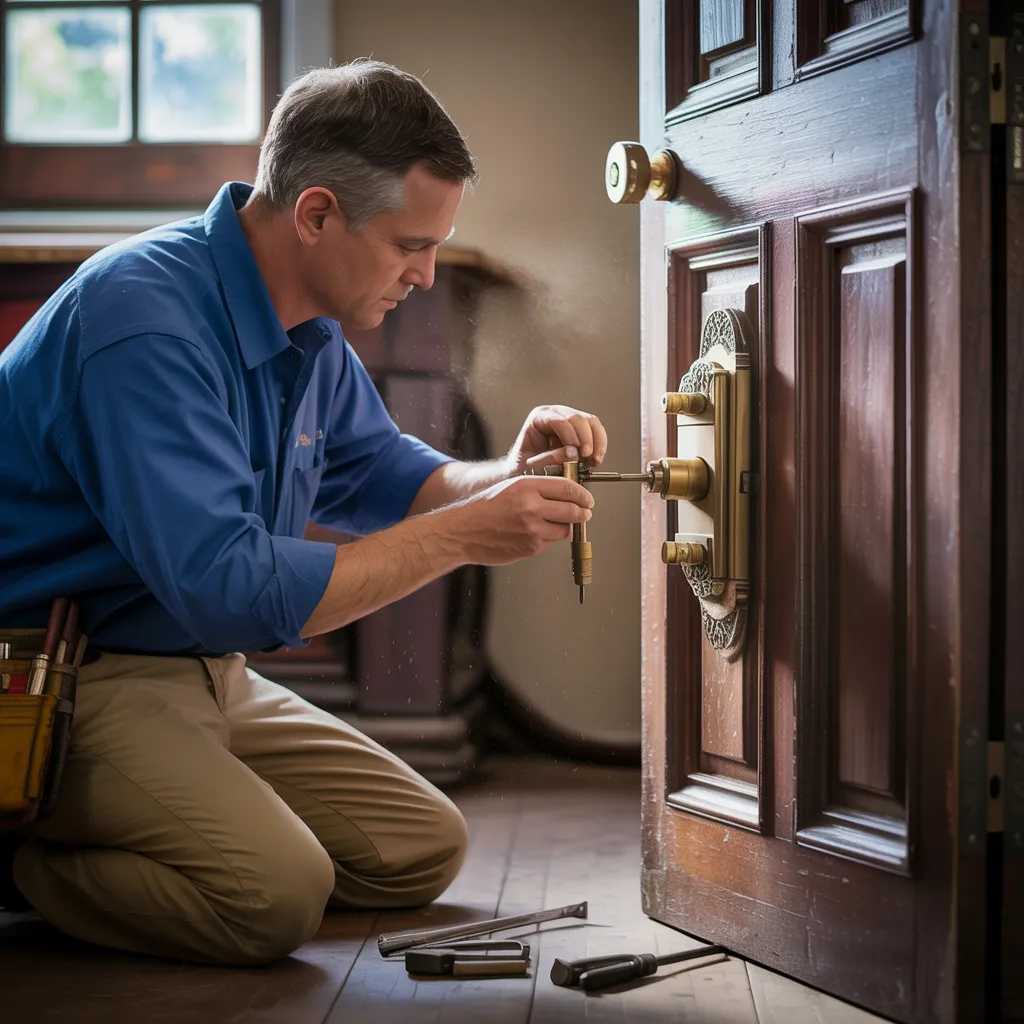
When is it appropriate to reach out to a locksmith? An individual may need to seek the help of a locksmith when facing difficulties with their locks or security systems. Situations like a key snapping off inside the lock or a lock that grows hard to operate are obvious signs of underlying issues. Moreover, when a person is repeatedly faced with lockout situations, it may be time to seek the services of a professional locksmith.
Furthermore, after settling into a new house, it is prudent in-depth guide to seek the assistance of a locksmith to change the locks for safety reasons. Security upgrades, such as incorporating sophisticated locks or alarm devices, also warrant expert input. As a final point, if a homeowner observes evidence of break-ins or interference, prompt steps should be taken by contacting a locksmith to examine and upgrade protective systems. Recognizing these signs guarantees that individuals can maintain their safety and peace of mind.
The Importance of Calling a Locksmith When Locked Out?
Finding yourself locked out can be an incredibly frustrating and stressful experience. During these difficult moments, the value of contacting a professional locksmith cannot be emphasized enough. A locksmith possesses the specialized tools and expertise required to address lockouts efficiently and safely, reducing the likelihood of damage being caused to your property. Trying to regain access without the assistance of a professional can result in damaged locks or doors, leading to expensive repairs.
Additionally, locksmiths are trained to handle diverse types of locks and security systems, guaranteeing a swift resolution designed for the specific situation. Their knowledge of security protocols also bolsters the safety of the property after re-entry. Furthermore, professional locksmiths can provide useful advice on strengthening security measures, preventing future lockouts. Ultimately, relying on a locksmith is not just about gaining access; it is an important step in preserving both the integrity of the property and the reassurance of the individual shut out.
What Can You Do When You're Locked Out?
Being locked out can be a disorienting experience that demands swift response. Your initial priority should be to stay composed and evaluate your options. Looking for any unlocked windows or secondary access points can at times present a straightforward fix. When no viable solutions can be found, it is recommended that you contact a trusted friend or family member who may have a spare key.
If these measures fail, turning to a professional is crucial. Reaching out to a locksmith is typically the most reliable method for restoring access swiftly and securely. Individuals should avoid attempting to force entry, as this can result in property damage and expensive repair bills.
Prior to the locksmith's arrival, gathering necessary information, such as identification and proof of residence, can speed up the process. In the end, getting locked out acts as a reminder of the value of establishing a backup strategy for gaining entry to secured areas.
Why Upgrading Your Locks Is a Smart Decision
After resolving a lockout situation, many individuals recognize the importance of security in their homes. Upgrading locks becomes a proactive measure to improve overall security. Outdated locking mechanisms frequently lack the necessary safeguards against today's advanced intrusion tactics, making it essential to invest in more secure options.
Advanced security locks, for instance, offer advanced features that deter unauthorized access. These locks often include pick-resistant mechanisms and durable materials, ensuring a more robust defense. Moreover, intelligent locks offer ease of use and remote control capabilities, enabling homeowners to oversee their security from any location.
In addition, insurance providers may offer improved rates for homes featuring upgraded security systems, creating financial incentives for homeowners to enhance their lock systems. In the end, upgrading locks not only improves physical security but also fosters peace of mind, ensuring that residents feel safe in their own environment. This strategic investment is a crucial step toward thorough home security.
What to Anticipate From a Complete Security Assessment
When property owners request a comprehensive security evaluation, they can expect an in-depth analysis of their residence's security gaps and advantages. Skilled locksmith technicians begin by examining access points such as windows, doors, and garage areas to detect existing security flaws. They evaluate the state and effectiveness of current locking mechanisms, flagging any deteriorated or aging components that may undermine overall protection.
In addition, the review incorporates assessing the nearby environment, taking into account factors such as community crime levels and visual exposure. Locksmiths often recommend enhancements such as high-security locks or alert systems tailored to the specific needs of the property. They can also offer recommendations regarding security access systems, security cameras, and outside lighting recommendations.
The purpose of the evaluation is to produce a comprehensive report highlighting results and suggesting effective solutions, directly supporting homeowners arrive at well-considered judgments about their security arrangements. This precautionary process ensures a comprehensive plan for safeguarding the property against the risk of emerging risks.
Common DIY Pitfalls to Avoid When Managing Locks
When dealing with lock issues, many people make typical mistakes that can worsen the situation. Overlooking particular lock types, applying excessive lubricants, and improperly using tools can lead to additional problems. Identifying these mistakes is vital for effective lock maintenance and security.
Overlooking Lock Types
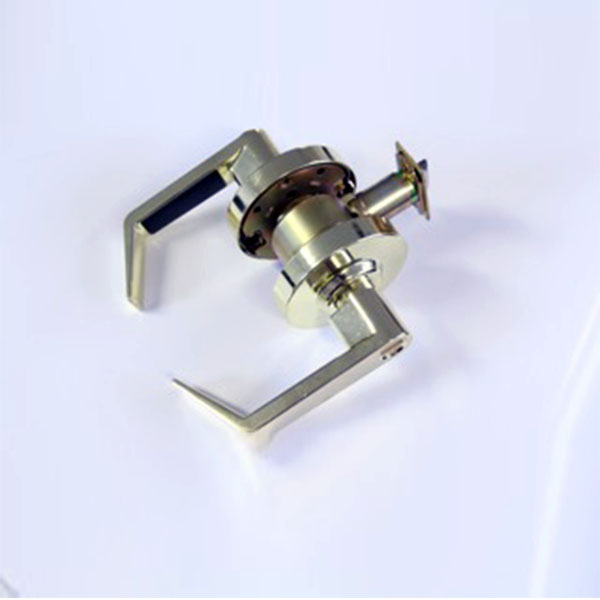
Although many homeowners try to handle lock problems themselves, failing to identify the particular types of locks can result in expensive errors. Different locks, such as deadbolts, smart locks, and mortise locks, each have unique mechanisms and installation requirements. Insufficient knowledge can lead to incorrect repairs or replacements, which may put security at risk. For instance, attempting to force a key into a misaligned lock can damage both the lock and the key, necessitating expensive replacements. Furthermore, confusing lock types can result in ineffective remedies and additional problems. To prevent these issues, homeowners should thoroughly evaluate their locks and seek the advice of a professional locksmith when unsure about their particular requirements.
Excessive Use of Lubricants
It is common for homeowners to make the mistake of over-lubricating their locks, assuming that excess lubrication will keep things running smoothly. This widespread misunderstanding can result in an accumulation of too much lubricant, which draws in dust and debris, ultimately causing locks to become sticky or jammed. Various lock types call for particular lubricants; to illustrate, graphite tends to be the preferred option for pin tumbler locks, whereas silicone sprays work well for other lock types. Overapplication can also create a slippery surface that may hinder the lock's mechanism, making engagement more difficult. Instead of improving functionality, excessive lubrication can lead to costly repairs or the need for professional locksmith services. Grasping the appropriate amount and type of lubricant is critical to ensuring optimal lock performance.
Properly Misusing Tools
Using the wrong tools during lock repairs can lead to frustrating outcomes and potential damage. Numerous DIY hobbyists fail to recognize the significance of using the correct tool. As an example, using a screwdriver in place of a proper lock pick can strip screws or damage internal components. Moreover, exerting excessive force can lead to locks jamming or becoming permanently damaged. Typical blunders include using pliers to turn a key or trying to pry open a stuck lock without appropriate technique. Such actions frequently lead to additional problems that require expert assistance. In order to steer clear of these mistakes, individuals should learn about lock mechanisms and the dedicated tools intended for lock repairs. When in doubt, consulting a professional locksmith can save time and prevent costly mistakes.
Commonly Asked Questions
What Should I Look for When Choosing a Reputable Locksmith Service?
To identify a trustworthy locksmith company, you should look up online reviews, validate credentials, check for insurance, and ask for recommendations. Evaluating several options ensures informed decisions, culminating in reliable and trustworthy service.
What Credentials Should a Professional Locksmith Possess?
A qualified locksmith should possess designations such as the Certified Locksmith (CL) credential, the Registered Locksmith (RL) designation, and Master Locksmith (ML) from reputable industry bodies. Such qualifications demonstrate skill, dedication, and commitment to professional standards, delivering consistent and trustworthy service to those they serve.
Are Locksmith Services Offered 24 Hours a Day?
Locksmith solutions are typically offered around the clock, providing essential assistance during emergencies like being locked out or experiencing security incidents. A large number of experienced locksmiths focus on being accessible, making certain that individuals can obtain support whenever required, no matter the hour.
What Are the Typical Prices for Locksmith Services?
Locksmith services typically range from between $50 and $150 for common services, such as lock rekeying and lockout assistance. That said, specialized work and emergency services may come with additional costs, often going beyond $200 depending on the complexity involved.
Is a Locksmith Able to Assist With Electronic Security Systems?
Indeed, a locksmith can help with digital security systems. These professionals possess the skills to install, repair, and maintain various digital locking mechanisms, delivering top-level protection and functionality for commercial and residential properties alike.