Unlocking Security: Your Comprehensive Guide to Choosing the Right Locksmith
Selecting the right locksmith is crucial for securing the protection of any property. Many property owners underestimate the critical nature of this decision. A dependable locksmith not only delivers essential services but also creates confidence in the security measures in place. Understanding what to look for can prevent costly mistakes. As the discussion progresses, essential insights into finding trustworthy locksmiths will emerge, directing property owners toward better security solutions.
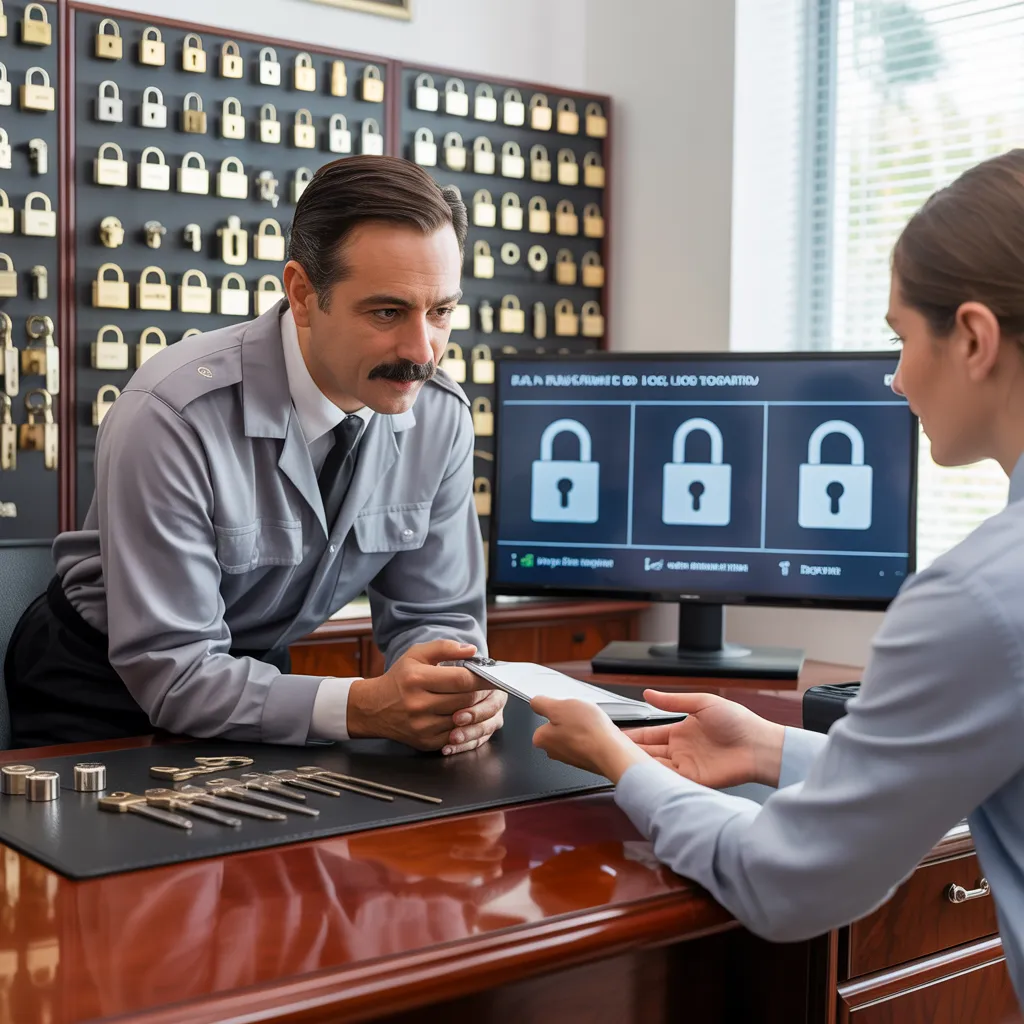
Understanding Locksmith Services: What They Provide
Even though numerous people link locksmiths predominantly with lockouts, their services go much further than this widespread scenario. Locksmiths are certified professionals who provide a diverse range of security solutions. Among their main services is the fitting and repair of locks for properties, businesses, and vehicles. They can also assist in rekeying existing locks, which strengthens security without the need for complete lock replacement.
Additionally, locksmiths deliver expertise in the installation of advanced security solutions, including digital locking systems and access control systems. They are prepared to handle vault setup and maintenance, ensuring valuable items remain secure. Many locksmiths also provide emergency services, addressing urgent situations like snapped keys or malfunctioning locks. Their knowledge encompasses various security technologies, allowing them to recommend customized options to meet specific needs. In the end, locksmiths are essential in enhancing protection and safety, making their services essential to residential and business clients alike.
Qualities of a Reputable Locksmith
While searching for a trustworthy locksmith, it is crucial to assess several key traits that separate reliable professionals from the rest. First, a reputable locksmith should possess proper licensing and insurance, ensuring compliance with local regulations and protection for both the client and the professional. Experience is another crucial factor; veteran locksmiths are more likely to address a variety of situations efficiently.
In addition, a commitment to customer service is vital. A dependable locksmith should be friendly, willing to address questions, and provide upfront pricing. Quick response is just as important, as emergencies often require immediate assistance.
Moreover, a robust reputation, evidenced by positive reviews and testimonials, demonstrates credibility. Finally, regular training in the latest security technologies reveals a locksmith's devotion to their craft. By assessing these qualities, individuals can make informed choices when selecting a locksmith, guaranteeing their security needs are met with expertise and competence.
Critical Questions When Choosing a Locksmith
How can someone ensure they're hiring a competent locksmith? Before making a decision, prospective customers should ask a number of key questions. First, ask about the locksmith's licensing and insurance status. A trustworthy locksmith should easily provide documentation for both. After that, it is essential to ask about the particular services they provide, guaranteeing they can handle the required tasks, such as emergency lockouts or rekeying. Customers should additionally request information about the anticipated timeframe and associated costs, including any possible extra charges. Additionally, it is recommended to obtain references or reviews from previous clients, which can provide details regarding the locksmith's dependability and workmanship. Lastly, understanding the warranty or assurance policies on services rendered can help guarantee peace of mind. By exploring these questions, individuals can substantially reduce the risk of hiring an inexperienced locksmith.
Evaluating Locksmith Credentials and Experience
While selecting a locksmith, it is essential to evaluate their credentials and experience. This entails verifying licensing and certification, which ensure conformity to industry standards. Moreover, reviewing their field experience and any specialized training or skills can significantly influence the quality of service provided.
Requirements for Licensing and Certification
Though the qualifications of a locksmith can vary significantly by region, it is essential for consumers to meticulously examine licensing and certification requirements. Licensing usually confirms that a locksmith has met certain local or state regulations, which may include background checks and completion of training programs. Many regions require locksmiths to hold a valid license, while others may not have stringent regulations, leaving consumers unprotected. Certifications from respected organizations, such as the Associated Locksmiths of America (ALOA), moreover verify a locksmith's expertise and commitment to professional standards. Consumers should inquire about these credentials before hiring a locksmith to confirm they are selecting a qualified professional who complies with industry best practices, strengthening overall security and trustworthiness.
Industry Experience Matters
Evaluating a locksmith's credentials and experience is crucial in guaranteeing quality service. A locksmith's industry experience often indicates their ability to handle various security challenges efficiently. A seasoned locksmith is likely to have dealt with a range of scenarios, therefore refining their problem-solving skills. When assessing potential candidates, clients should consider the number of years a locksmith has functioned in the field, as well as their track record of successful jobs. Reviews and testimonials can provide insight into a locksmith's reliability and professionalism. Furthermore, involvement in professional organizations or ongoing education can demonstrate a commitment to staying updated with industry standards. In the end, a locksmith's experience can directly impact the safety and security of a client's property.
Specialized Skills and Training
Even though experience serves an essential role, specialized skills and training are similarly vital when examining a locksmith's qualifications. A competent locksmith should possess certifications from recognized institutions, showing their knowledge of up-to-date security technologies and techniques. Training programs frequently cover various aspects, including lock installation, repair, and advanced security systems. Moreover, some locksmiths concentrate in domains such as automotive locks, safe cracking, or electronic access control, providing a more comprehensive understanding of specific security needs. It is advisable to inquire about a locksmith's continuing education efforts, as the industry is constantly evolving. Validation of credentials through professional associations can additionally assure clients of a locksmith's expertise and dedication to maintaining high standards in their practice.
Typical Mistakes to Prevent When Selecting a Locksmith
When selecting a locksmith, homeowners can readily encounter several common pitfalls that might undermine their protection and finances. One common mistake is omitting to confirm the locksmith's credentials, such as credentials and insurance. Hiring an unlicensed locksmith can result in subpar work and liability issues. In addition, choosing a locksmith only on the lowest price can culminate in hiring inexperienced technicians who could fail to provide quality service.
One typical error involves overlooking customer testimonials or recommendation requests. In the absence of thorough research, individuals could unknowingly employ a locksmith with a negative standing. Additionally, numerous people disregard the significance of obtaining a documented quote; a verbal quote can lead to unexpected costs after the job is completed. Finally, individuals should avoid waiting until a lockout situation arises to find a locksmith, as this urgency can lead to hasty, ill-informed decisions. Recognition of these errors can contribute to a more protected and fulfilling locksmith interaction.
Tips for Maintaining Your Security Systems
Maintaining security systems is vital for maintaining continued safety and protection. Regular lock inspections, updating security codes, and replacing deteriorated components are key practices that can improve overall security. By adhering to these guidelines, individuals can better safeguard their properties against potential risks.
Regular Lock Inspections
Routine lock inspections are essential for guaranteeing the security of any property, as they aid in detect potential vulnerabilities before they develop into serious issues. Property owners should schedule these inspections at least once a year or after any security incident. A professional locksmith can assess the condition of locks, looking for signs of deterioration, damage, or malfunction. During the assessment, they can also verify for proper alignment and functionality, making sure that locks engage smoothly. Moreover, property owners should make sure to lubricate locks regularly and test their keys for smooth operation. By adopting a proactive approach to lock examinations, homeowners can enhance their security measures and reduce the risk of unauthorized access, ultimately safeguarding their assets and peace of mind.
Revise Access Credentials
Updating security codes is vital for securing any security system, especially after shifts in personnel or following a security breach. Regularly modifying access codes helps minimize risks related to unauthorized entry. For businesses, it's critical to establish a consistent schedule for updating these codes—ideally every few months. This practice guarantees that only current employees have access to secure areas.
In addition, all stakeholders should be educated on the significance of code security, discouraging the sharing of codes among unauthorized users. Using advanced codes that combine letters, numbers, and special characters can improve security further. Logging code changes and maintaining a secure log of who has access to what can support managing security efficiently.
Substitute Worn-Out Components
Changing worn components is vital for ensuring the sustained efficiency of security systems. Over time, elements such as locks, hinges, and deadbolts may deteriorate, compromising security. Regular inspections can help identify these issues before they escalate. For example, a locksmith can examine the condition of locks and recommend replacements if needed. Additionally, maintaining other components like window latches or door frames ensures that the system functions seamlessly. Homeowners should also consider upgrading to more durable materials if frequent replacements are necessary. By addressing worn components promptly, individuals can improve the lifespan and reliability of their security measures, ultimately safeguarding their properties against potential breaches. Regular maintenance is critical to a solid security framework.
FAQ
How Much Will Locksmith Services Cost Me?
Commonly, locksmith services can vary from $50 to $150 for standard tasks, such as lockouts or rekeying. However, prices may increase for emergency services, complex jobs, or specialized tools. Always inquire about estimates in advance.
Are Locksmiths Able to Assist With Electronic Security Systems?
Yes, a locksmith can assist with electronic security systems. They hold the necessary expertise to install, service, and repair different types of electronic locking mechanisms, guaranteeing optimal performance and heightened security for both residential and commercial properties.
What's the Best Course of Action if I'm Locked Out of My House?
If you find yourself locked out of your house, you should first look for open windows or hidden spare keys. If you're unable to gain entry, reaching out to a trusted locksmith for assistance is wise, ensuring they are licensed and credible before proceeding.
Are Locksmith Services Offered Around the Clock?
Most locksmith services feature 24/7 availability to aid individuals during emergencies. practical guide This ensures that assistance is reachable at any hour, offering peace of mind for those who may find themselves locked out unexpectedly.
What Are the Steps to Verify a Locksmith's Online Reputation?
To verify a locksmith's reputation online, one can check customer reviews on platforms like Google and Yelp, review their ratings, and investigate any complaints on the Better Business Bureau website to evaluate their credibility.